The no-BS, actually-useful guide for foreigners navigating life in the Middle Kingdom. From chopstick mastery to WeChat wizardry — we've got you covered. 🥢
Spicy!
Forget everything you think you know about "Chinese food." That General Tso's chicken? Pure American fiction. Real Chinese cuisine will blow your mind — and possibly your taste buds.
Nobody will judge you for asking for a fork. But mastering chopsticks earns instant respect. Never stick them upright in rice — that's a funeral thing.
When they say "a little spicy" (微辣), they mean "your mouth is lava." Sichuan numbing spice is a whole different experience. Start mild. Trust us.
Chinese people drink hot water (热水) religiously. Cold drinks? Suspicious. You'll be offered hot water everywhere. Just embrace it — it's actually great.
Pro Tips
Chinese apartments are… efficient. Your kitchen might be cozy enough to touch both walls simultaneously. But the rent? Surprisingly reasonable outside tier-1 cities.
Forget Zillow. Use 贝壳找房 (Beike), 链家 (Lianjia), or 58同城 for apartment hunting. Having a Chinese-speaking friend is invaluable for negotiations.
Within 24 hours of moving in, you MUST register at the local police station. It's not optional. Hotels do this automatically, but apartments don't.
Pay electricity, water, gas, and even property management fees through WeChat or Alipay. No more standing in line. Welcome to the future.
So fast!
China's transport system is genuinely world-class. The high-speed trains will make you wonder why your country still uses buses from the 1990s.
Beijing to Shanghai in 4.5 hours. Smooth, punctual, cheap. Use 12306 app or Trip.com to book. Pro tip: bring your passport, you'll need it for ID check.
China's Uber equivalent. Works great, very cheap. The app has an English mode. Just don't be shocked when your driver answers a video call while driving.
Most major cities have modern, clean, air-conditioned metros with English signs. A single ride costs ¥3-7 ($0.40-$1). Your Alipay works as a metro pass.
Mind = Blown
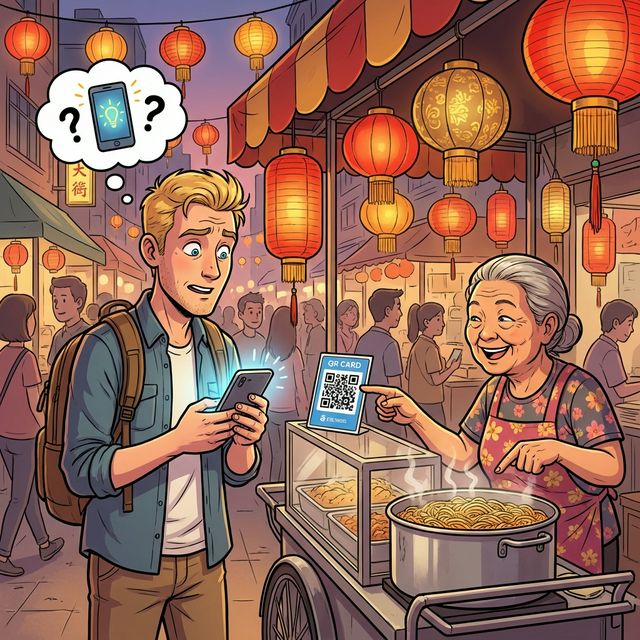
Cash is dead. Cards are dying. In China, your phone IS your wallet, your ID, your social life, and your everything. If your phone dies, you basically cease to exist.
Messaging, payments, food delivery, ride-hailing, bills, banking, social media — all in one app. Step 1 of surviving China: download WeChat. Immediately.
Foreigners can now link international cards to Alipay! Scan QR codes everywhere — street vendors, taxis, vending machines. Even beggars accept QR codes. Seriously.
Google services don't work here without VPN. Use 高德地图 (Amap) or 百度地图 (Baidu Maps). They're actually better for local navigation and have English UI options.
So Fun!
China's culture is 5,000 years deep. You'll make mistakes. That's okay! Chinese people are incredibly forgiving of clueless foreigners.
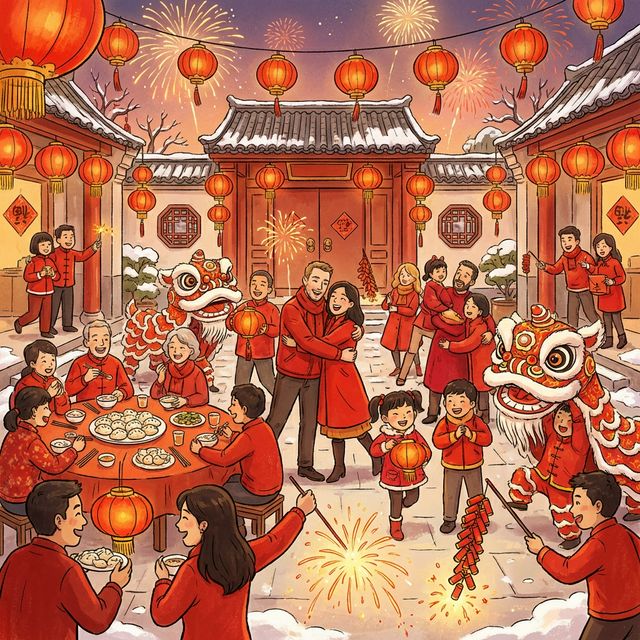
During holidays, weddings, or birthdays, people give red envelopes with money. Amount matters: avoid ¥4 (sounds like "death"), go for ¥88, ¥188, ¥666 (lucky numbers).
If you do business, you'll face 白酒 (baijiu), a nuclear-strength liquor (~52% alcohol). "Ganbei!" means bottoms up. Have an exit strategy. "I'm driving" or "doctor's orders" work.
面子 (mianzi) — social reputation. Never publicly embarrass someone. Compliment people's food, home, children. "Your Chinese is so good!" will follow you everywhere, even if you just said "hello."
Very Safe
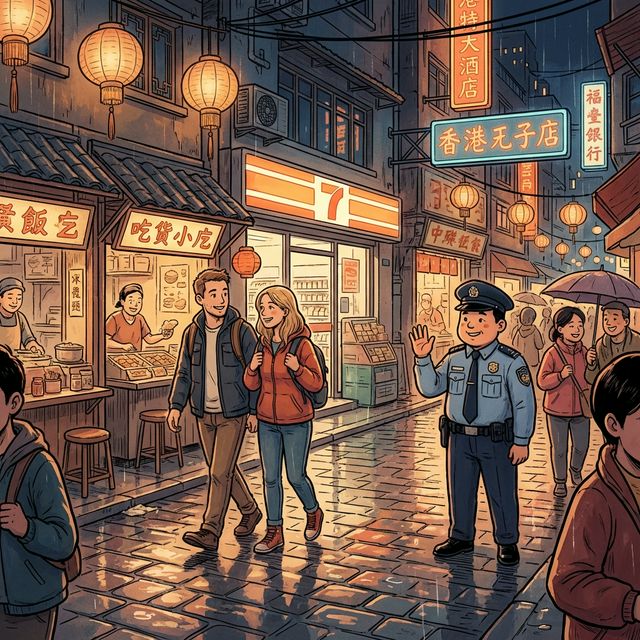
Plot twist: China is incredibly safe. Walking alone at 3 AM? Totally normal. Leaving your laptop at a café table? It'll probably still be there when you get back.
China has extensive surveillance. It might feel weird, but it also means the crime rate is incredibly low. Pickpocketing still exists in tourist areas — keep your phone close.
Local police (派出所) are used to handling foreigner issues. Learn the emergency number: 110 (police), 120 (ambulance), 119 (fire). Many cities have English-speaking police lines.
Big cities have international clinics, but they're expensive. Public hospitals are chaotic but competent and cheap. Learn to use the hospital app to queue — line-cutting is an Olympic sport.
996? 😅
Work culture in China is… intense. You've heard of 996 (9am-9pm, 6 days/week). The good news? Things are changing, and foreign companies often have better work-life balance.
You NEED a valid Z-visa and work permit. Teaching English? Get a legit TEFL/TESOL cert and a degree. Companies should sponsor your visa — if they don't, run.
Shanghai/Beijing: higher pay, higher cost. Chengdu/Xi'an: lower pay, much cheaper living. Remote work is growing but VPN struggles are real for video calls.
Nap time after lunch is sacred. Group work chats on WeChat run 24/7. Your boss might send you a voice message at 11 PM. And yes, KTV (karaoke) is a team-building activity.
The absolute essentials you need on Day 1. Don't leave home without these.
Get a Chinese SIM card at the airport. China Mobile, China Unicom, or China Telecom. You'll need your passport. Without data, you're literally lost.
Open a Chinese bank account ASAP. ICBC (工商银行) is the most foreigner-friendly. You'll need: passport, phone number, and patience. Lots of patience.
Google, YouTube, Instagram, WhatsApp — all blocked. Download a reliable VPN BEFORE you arrive. Some popular options may not work; ask expat groups for current recommendations.
Keep photos of your passport, visa, work permit, and accommodation registration on your phone. Hotels and police checks happen often.
These 8 phrases will get you through 90% of daily situations. Pronunciation doesn't have to be perfect — effort counts!
Let's bust some common misconceptions about living in China.
Sometimes you just need a human to talk to. We're here to help you navigate the tricky parts.
Moving to China soon? Get a custom itinerary, visa advice, and apartment hunting strategy session.
Stuck at the hospital? Police station? Lost? Get a translator on the phone instantly to sort it out.
Or chat with us directly: